Sustainable, Circular Thermal Energy from Agricultural Residue
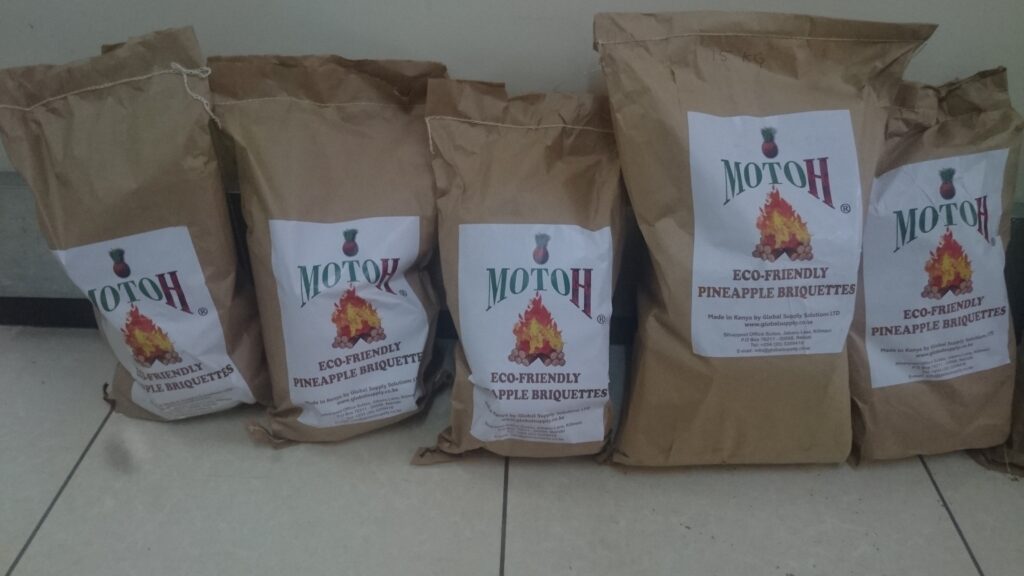
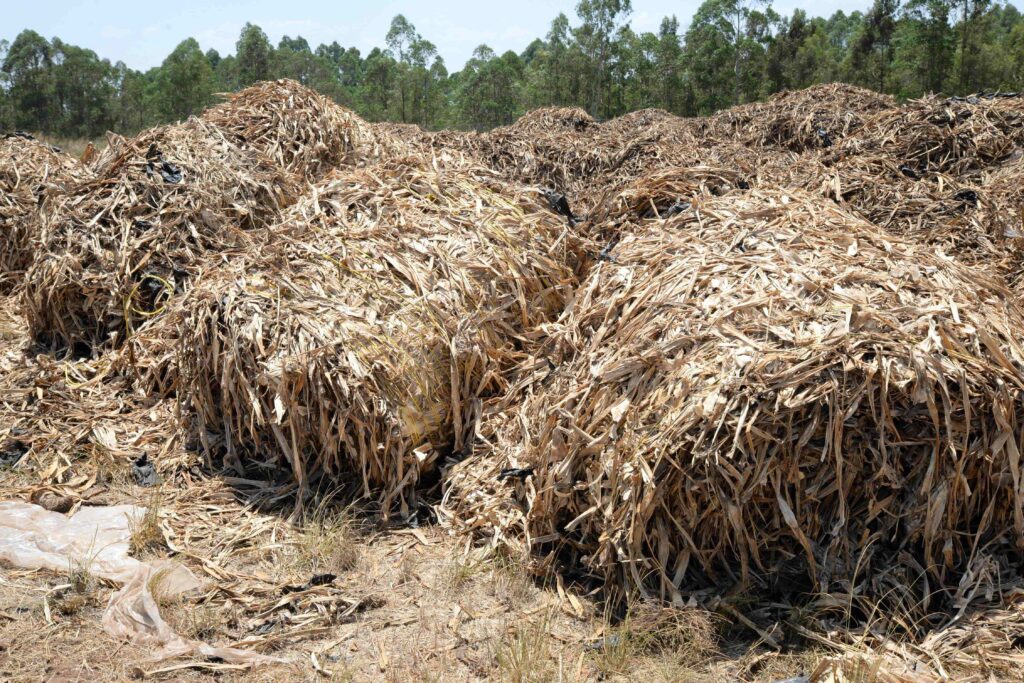
We believe in solutions that are both practical and powerful—especially when it comes to powering industrial boilers sustainably. Our biomass-based thermal fuels harness agricultural residues—corn stover, wheat straw, husks, and other byproducts, processed and manufactured into products that bring genuine impact: reducing carbon emissions, closing lifecycle loops, and offering a renewable alternative to fossil fuels.
Why Agricultural Residue? The example of the US case
- It’s abundant but underutilized—every year, U.S. farms and forests generate more than 1 billion tons of residual biomass such as inedible plant material that typically goes unused agresearchmag.ars.usda.gov.
- According to the U.S. Department of Energy’s 2023 Billion-Ton Report, if markets mature and sustainability practices are upheld, the U.S. could mobilize 1.1 to 1.5 billion dry tons of biomass annually, including agricultural residues, timber waste, and other organic streams agriculturedive.com.
- This is a monumental resource: DOE estimates that with this biomass supply developed, 15% of the nation’s energy needs could be met in a medium-term scenario agriculturedive.com.
Carbon Benefits and Climate Leadership
- Residues that otherwise decay—or worse, are burned in the open—can instead become a low-carbon fuel source, directly replacing fossil energy and reducing emissions.
- Globally, using agricultural and forestry residues for bioenergy could generate around 26 exajoules per year, enabling an estimated 2.8 gigatons of negative CO₂ emissions when paired with carbon capture technologies (BECCS) Wikipedia.
Circularity in Action
- By converting what’s left after harvest into valuable energy, we close the loop—turning waste into fuel, support for the land instead of depletion.
- Rather than disposing or burning residues, they become assets: supporting rural economies, enriching soils, and reducing reliance on finite resources.
What It Means for Us All
- Huge Scale, Real and Sustainable Impact
The potential to harness over a billion tons of biomass each year positions agricultural residues not just as an alternative—but as a cornerstone in our transition to clean, decarbonized fuel all whilst tapping into existing biomass streams without consuming fresh arable land. - Dual Climate & Community Benefits
This approach delivers carbon savings while creating new value streams for farmers and jobs in rural communities—strike two birds with one stone: climate progress and economic opportunity Reddit. “Tripling U.S. use of biomass for energy could provide as much as $20 billion in new income … and reduce global warming emissions by the same amount as taking 70 million cars off the road.” Reddit. - Scalable and Realistic
The technology already exists. With investment and infrastructure, residues from fields and forests can be gathered, processed, and turned into heat efficiently and economically and thus displacing fossil fuel use and unlocking negative emissions when integrated smartly closing the carbon loop. - Commercially Viable and Profitable We have demonstrated the business model, its proof of concept and shown that its commercial metrics are attractive and do exceed those of some incumbent fossil fuels. There are also additional gains to be had on the shorter delivery logistics, incidental benefits and subsidies not forgetting the arbitrage opportunities.